Functional Neurosurgery and Neuromodulation
Functional neurosurgery is a specialized branch of neurosurgery that focuses on restoring lost neurological function or altering abnormal nervous system activity. Unlike structural neurosurgery (which removes anatomical lesions like tumors or blood clots), functional procedures modify neural circuitry using targeted surgical interventions, ablation, or electrical stimulation.
What is Neuromodulation?
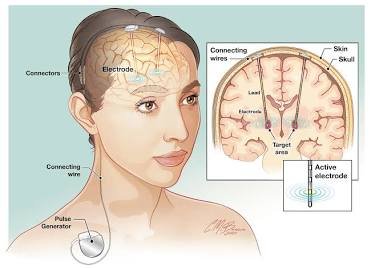
Neuromodulation involves altering nerve activity through targeted delivery of electrical pulses or pharmaceutical agents directly to specific neural sites. It is reversible, adjustable, and customizable to a patient’s evolving symptoms.
Electrical Neuromodulation: Delivers micro-currents via implanted electrodes to suppress abnormal signals or restore normal signaling pathways.
Chemical Neuromodulation: Uses intrathecal drug delivery systems (pumps) to infuse medications like baclofen directly into the fluid surrounding the spinal cord.
Core Neuromodulation Technologies
| Technology | Target Anatomy | Primary Clinical Indications | Operational Mechanism |
| Deep Brain Stimulation (DBS) | Subthalamic nucleus (STN), Globus pallidus internus (GPi), Thalamus (VIM) | Parkinson’s disease, Essential tremor, Dystonia, Obsessive-Compulsive Disorder (OCD) | High-frequency electrical pulses modulate pathological circuit oscillations and restore balanced neural signaling. |
| Spinal Cord Stimulation (SCS) | Dorsal column of the spinal cord | Failed back surgery syndrome, Complex Regional Pain Syndrome (CRPS), neuropathic pain | Replaces pain signals with paresthesia or disrupts pain signal transmission to the brain via high-frequency or burst stimulation. |
| Vagus Nerve Stimulation (VNS) | Left vagus nerve (cervical region) | Drug-resistant epilepsy, Treatment-resistant depression | Delivers periodic electrical impulses to the vagus nerve to modulate brainstem networks and cortical excitability. |
| Responsive Neurostimulation (RNS) | Seizure focus zone in the cortex or hippocampus | Refractory focal epilepsy | Continuously monitors electroencephalographic (EEG) activity and delivers immediate electrical stimulation upon detecting seizure spikes. |
| Intrathecal Baclofen (ITB) Pump | Subarachnoid space around the spinal cord | Severe spasticity (Cerebral Palsy, Multiple Sclerosis, Traumatic Brain Injury) | Delivers direct GABA-agonist medication into the spinal fluid at significantly lower doses than oral administration, minimizing systemic side effects. |
| Sacral Neuromodulation (SNM) | Sacral nerves (S3/S4) | Overactive bladder, non-obstructive urinary retention, fecal incontinence | Modulates sacral nerve reflexes to restore normal bladder and bowel function. |
Ablative & Non-Invasive Functional Approaches
While neuromodulation relies on implantable electronics, functional neurosurgeons also perform targeted lesioning to silence hyperactive circuits:
Focused Ultrasound (MRgFUS): Non-invasive procedure using high-intensity ultrasound waves guided by MRI to create micro-lesions (e.g., thalamotomy for essential tremor) without skin incisions.
Stereotactic Radiosurgery (Gamma Knife): Delivers focused radiation beams to disrupt specific neural nodes (e.g., trigeminal neuralgia, movement disorders).
Radiofrequency Ablation: Heat-based lesioning of specific nerve pathways or cranial nerve nodes (e.g., percutaneous trigeminal rhizotomy).